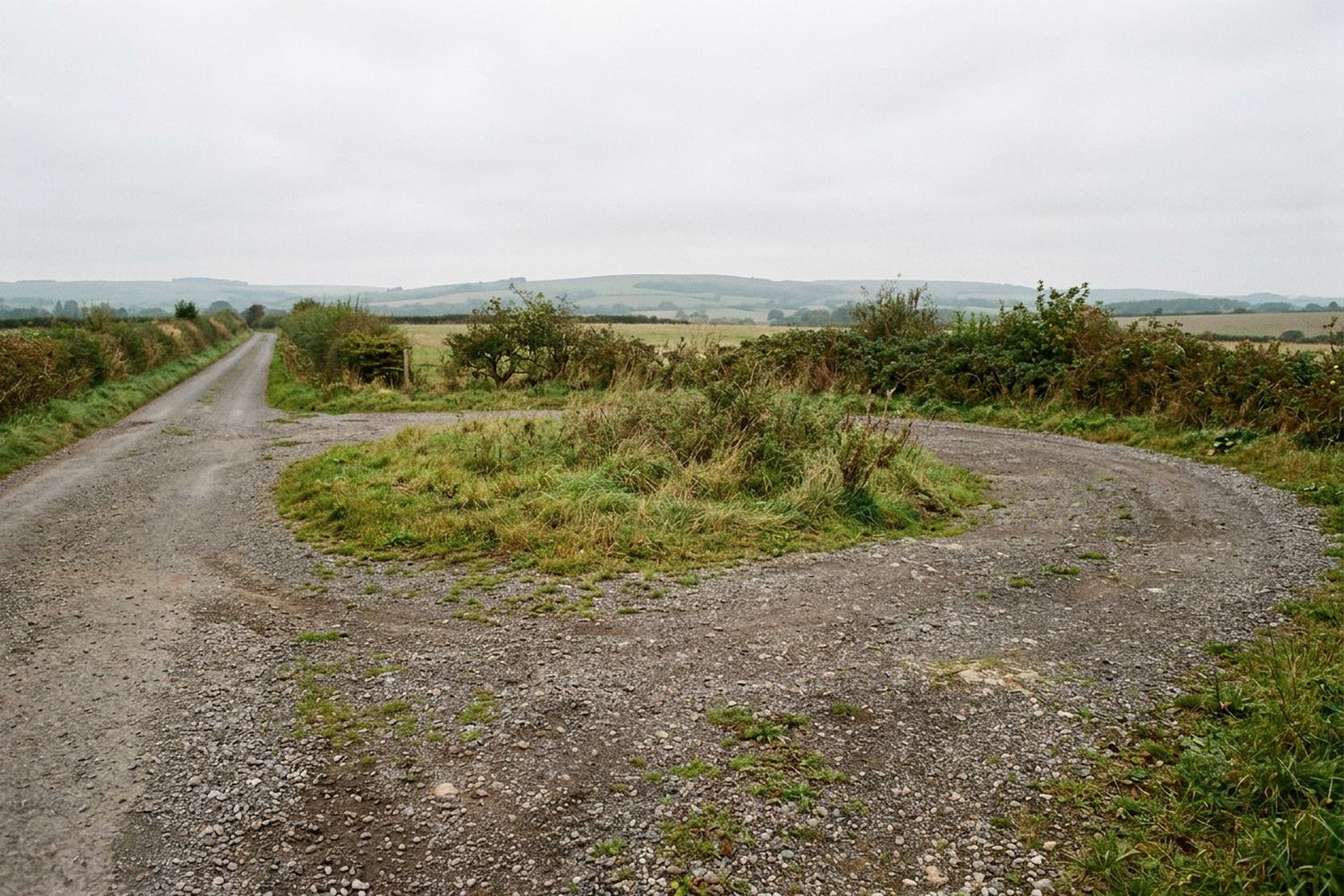
Twenty trips sit in this office. To reserve a vacation package with a travel agent in Tulsa you begin where the filing begins, with one measurement and no other: how many feet, minutes or hours separate the lodging from the last piece of road a vehicle can use. That single measurement settles more than any brochure category ever did. It decides the weight of the bag you pack. It decides whether the transfer is a ten dollar shuttle or a chartered boat with a captain who watches the forecast. It decides whether arrival day is a swim before dinner or eleven hours of moving. And it decides, honestly, who should pick a different trip. The reservation itself is placed with the company that runs the trip, and no money changes hands on this page.
Because the name above invites a second reading, one line to settle it: Driftwood Chronicle is a booking office, not a publication. Nothing here is written to be read for its own sake. Every page on this site ends at a price or at a form, and the whole point of the sorting is that you find the five or six trips worth a phone call and ignore the other fourteen.
The leg whose ending is the same for everybody
The catalog below is sorted backwards from the pavement, because on most of these the part that
catches people out is the last stretch: what is walked, what is paddled, what is waited out. A
scheduled flight has none of that. It ends in a corridor with a number over it, identical for
every passenger, and nothing said at this desk changes it by a minute. So it is the one leg to
settle first, and the one this office has nothing useful to add to.
The leg where the last hundred yards is a corridor
Every trip here is sorted backwards from the pavement, because the part that catches people out is the end of the journey rather than the middle of it. On a scheduled flight that end is a corridor with a number over it, the same corridor for everybody on board, and nobody at this desk has any say in it. Which makes this the one leg worth pricing on your own.
Press it and the question leaves this desk for good. It goes to a booking company, which is somebody else entirely, reached through a host answering under a name this domain lends it. Whatever figure appears is theirs and live at that minute; the seat is held on their side; and a card, if it comes to one, is handed over on their pages, there being no field anywhere here that would accept the digits. A ticket is issued under their conditions, and those are the sentences worth reading twice. Should a booking follow, some part of a margin they had already fixed finds its way back here, which moves your figure by nothing at all: it was settled before anyone could know which door you walked in by. The sentence, and the eighteen characters under it.
What the office actually is
- An agency, not an operatorLodges, boats, guides and transfers all belong to other companies. We hold the file and the correspondence, nothing more.
- No charge to youWe are paid a commission by the operating company after you travel, so the figure you see is the figure you pay them.
- No payment taken hereThere is no checkout on this site. Money moves between you and the company running the trip, on their terms.
- Prices in one shapeEvery figure on this site is from $1,640 to $3,640 per person, and it says what it covers before you ask.
- Distance filed firstThe step a trip sits in appears before its name, its season and its cost, on every page where it is mentioned.
Where the work happens and where it stops
This desk, in Tulsa
- Reads what you send the same working day, and answers it with a person.
- Establishes the last mile in writing: surface, feet of ascent, minutes with a load.
- Asks the operating company for a figure and passes it on unchanged.
- Prints that company's cancellation terms beside its figure, in full.
- Says plainly when a step looks wrong for what you have told us you can do.
- Keeps the correspondence, so nobody has to explain it twice.
Whoever actually runs the trip
- Own and run every bed, boat, track and guided crossing in this catalog.
- Set the price, and set every deadline that can cost you money.
- Take payment, hold it, and decide what a refund looks like.
- Decide on the day whether a crossing sails or a track is passable.
- Carry the insurance, the permits and the liability for the trip itself.
- Pay this office a commission after you have traveled, and not before.
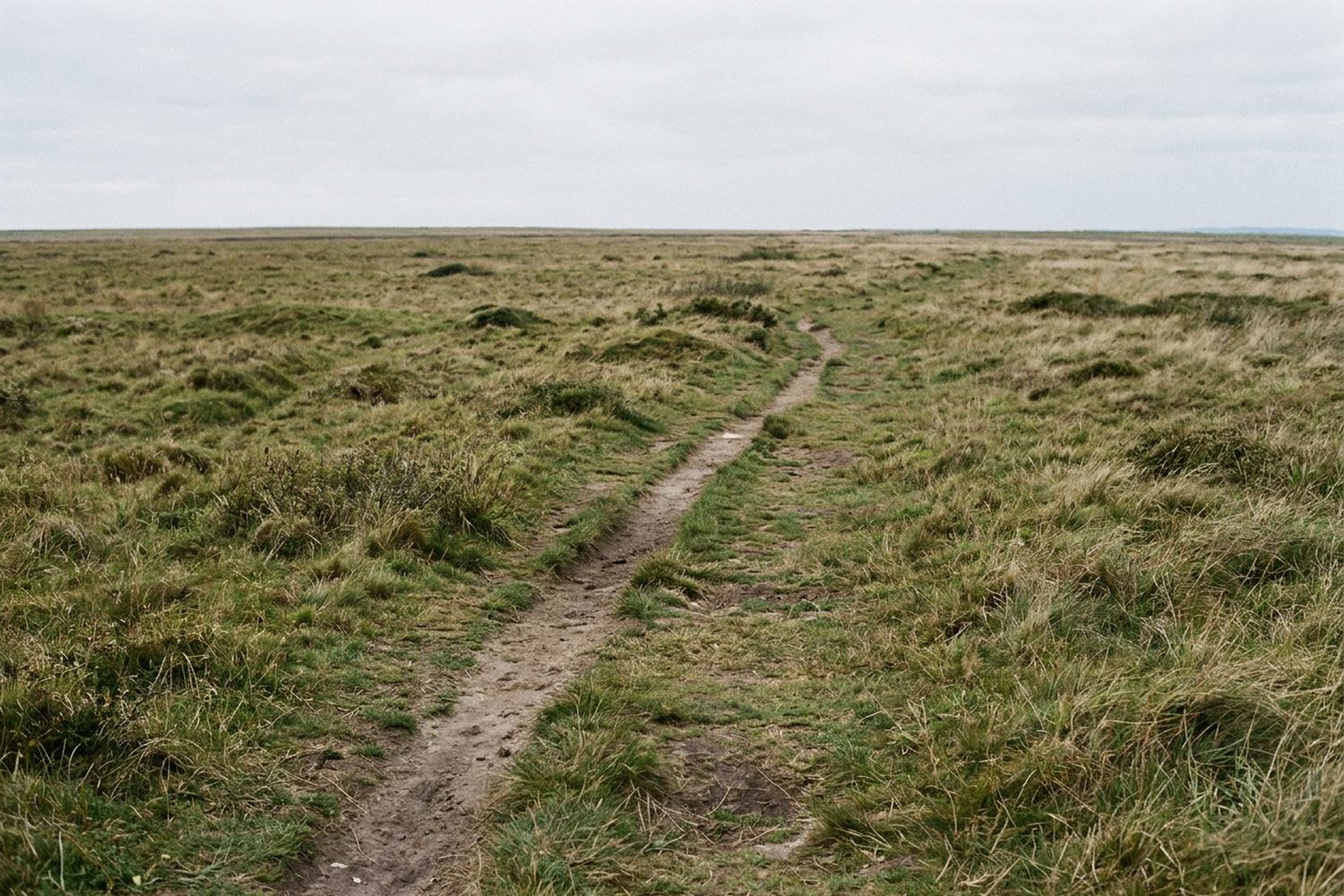
Twenty trips, sorted back from the pavement
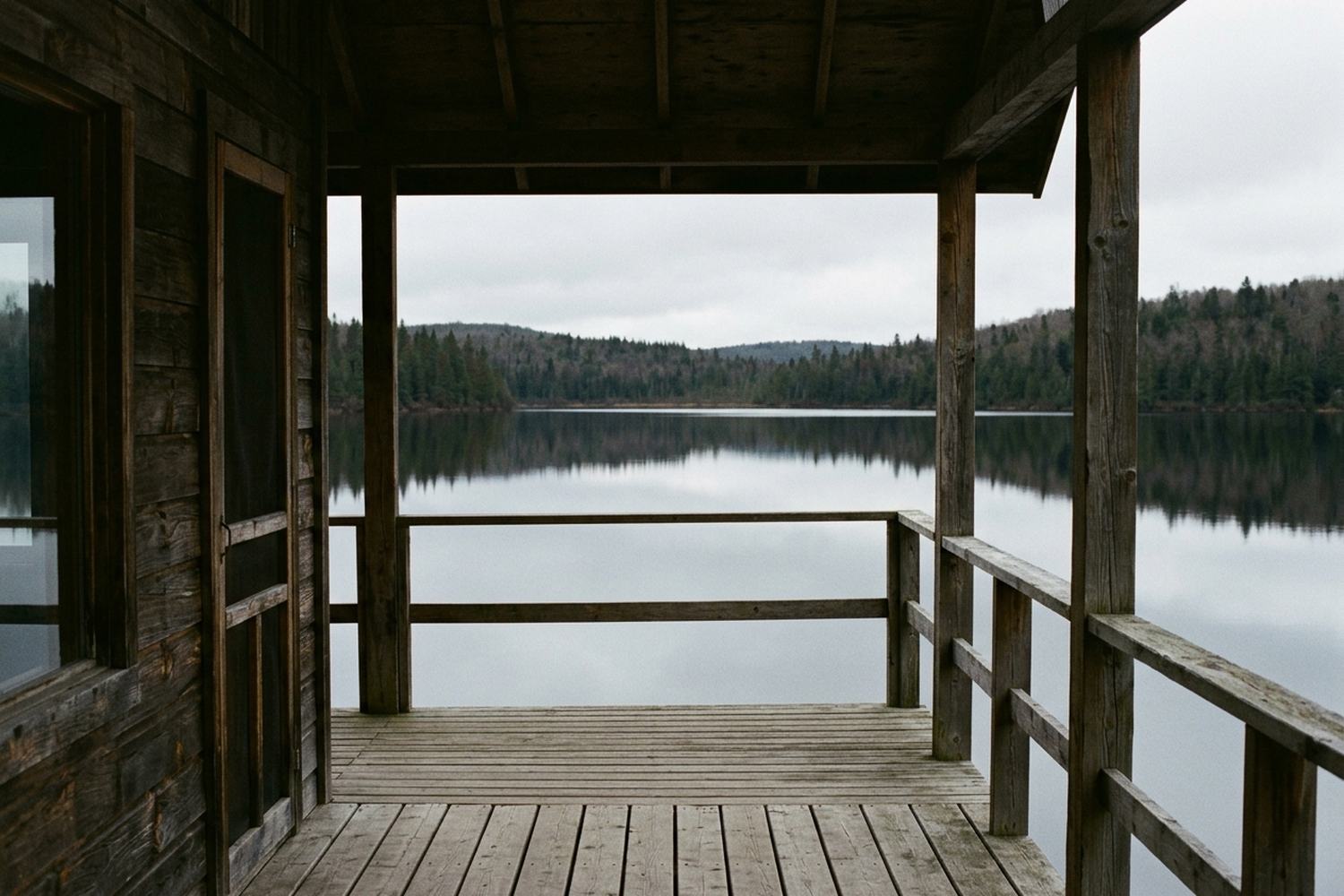 At the doorFinger Lakes6 nights, from $1,640 per person
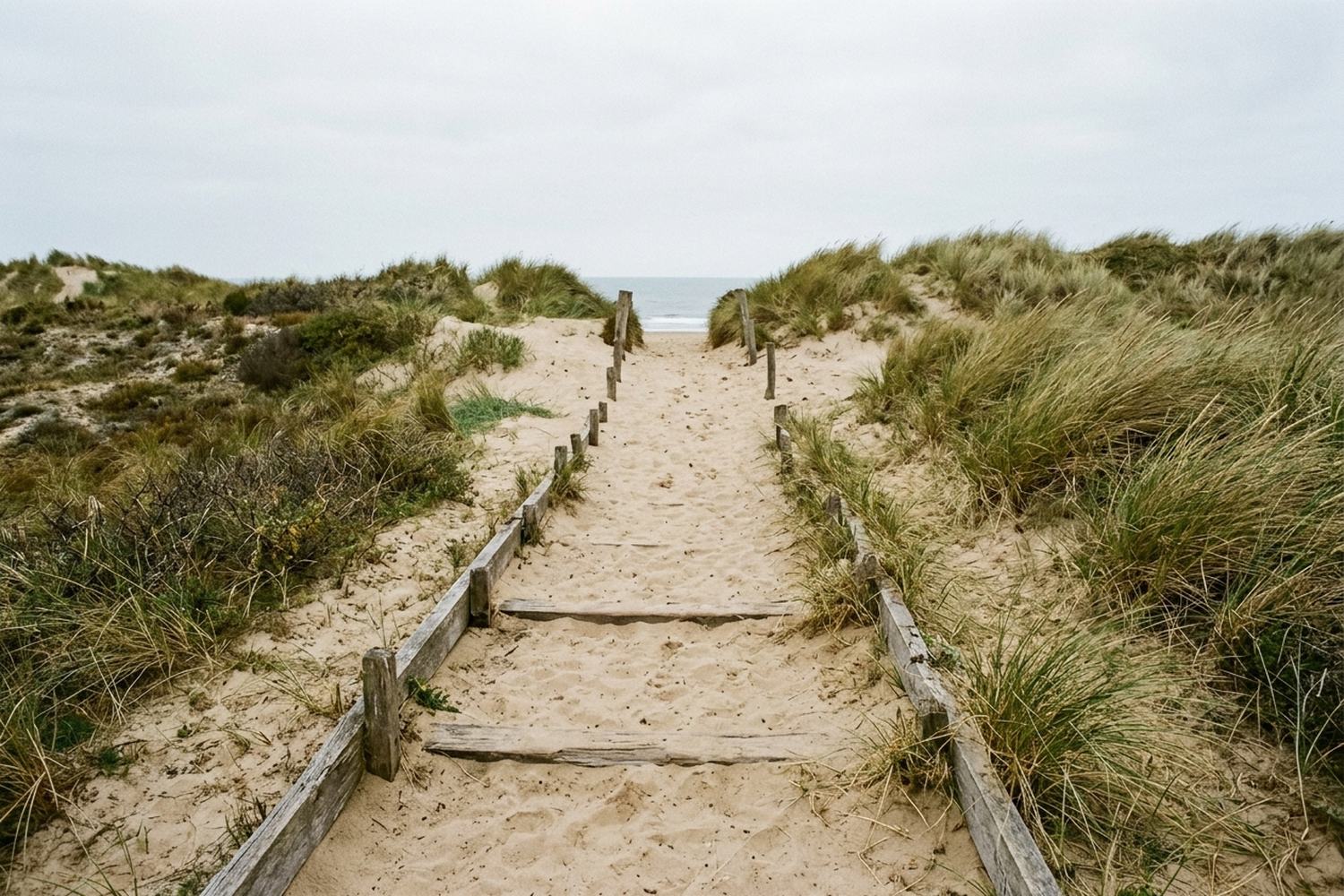 Ten minutesAmeland6 nights, from $2,040 per person
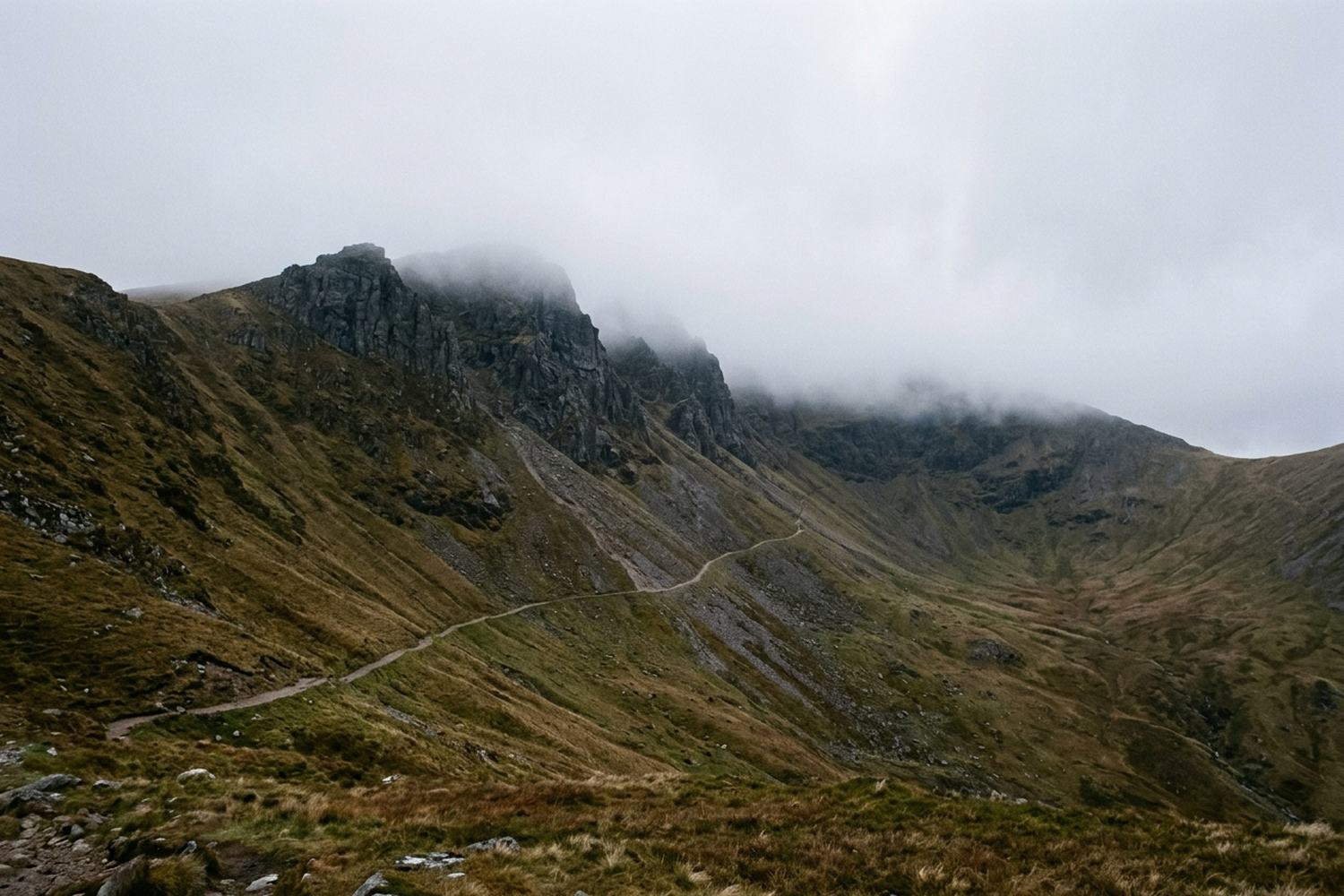 An hourThe Cairngorms6 nights, from $2,340 per person
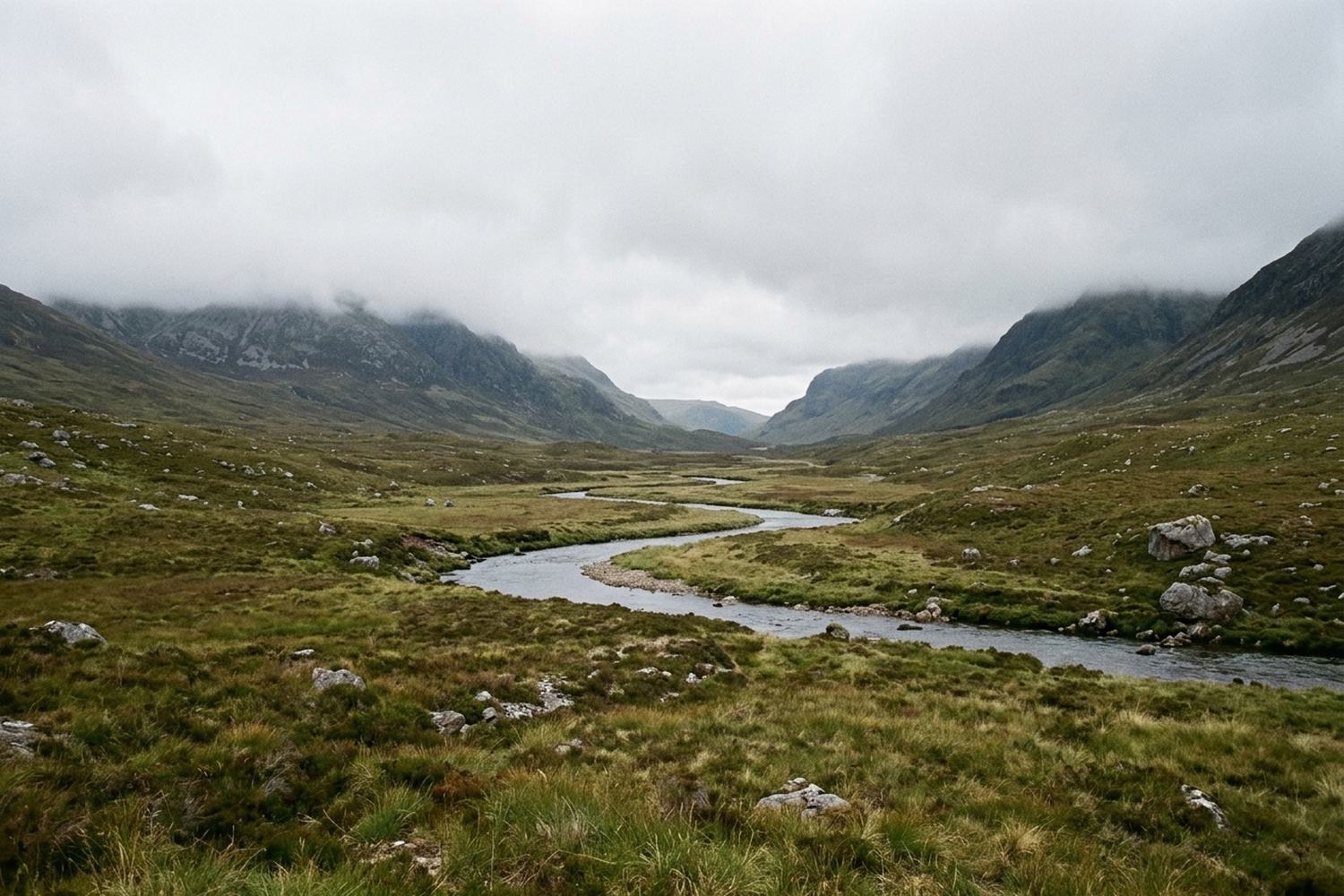 Half a dayKnoydart7 nights, from $3,480 per person
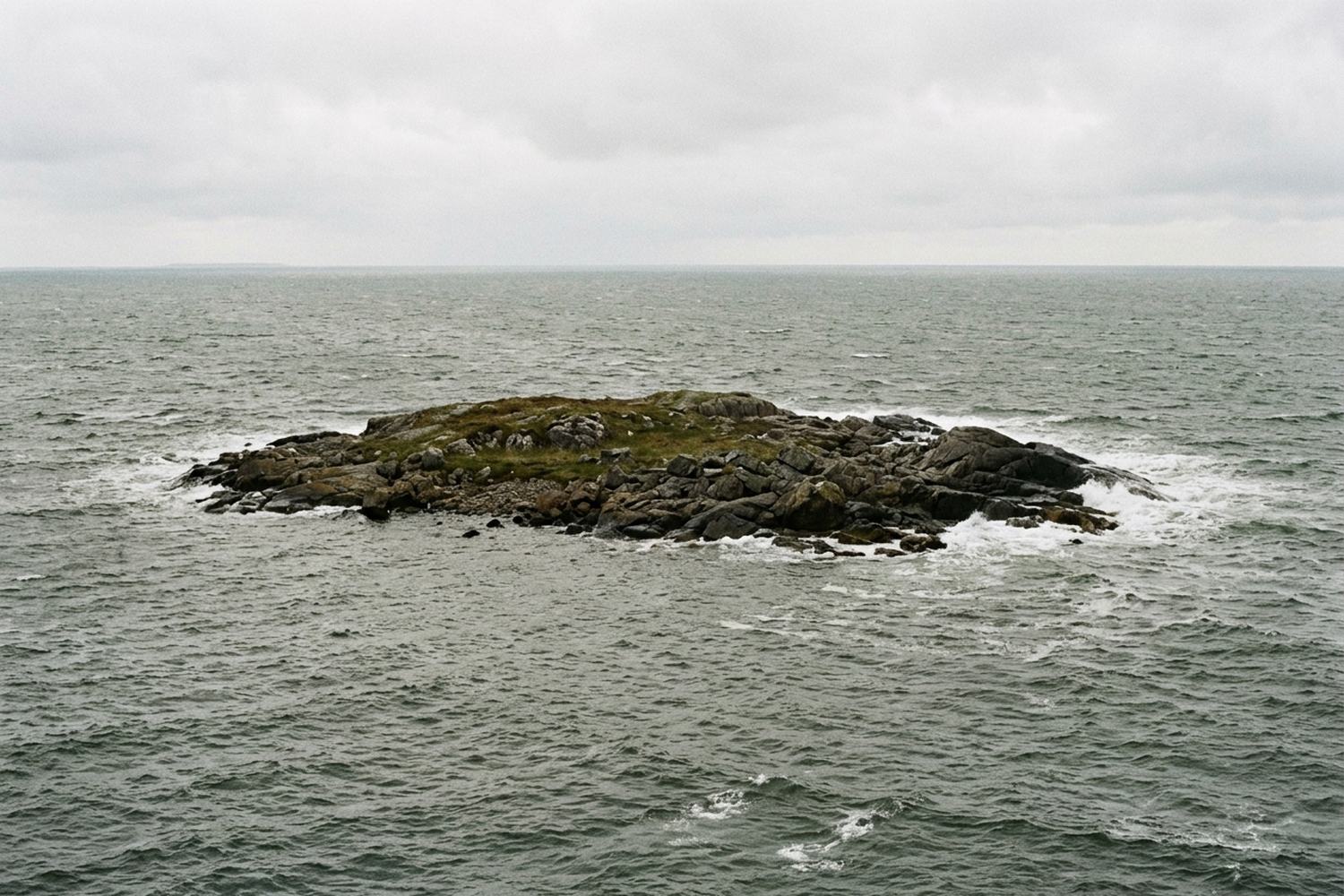 No roadThe Arans6 nights, from $3,060 per person
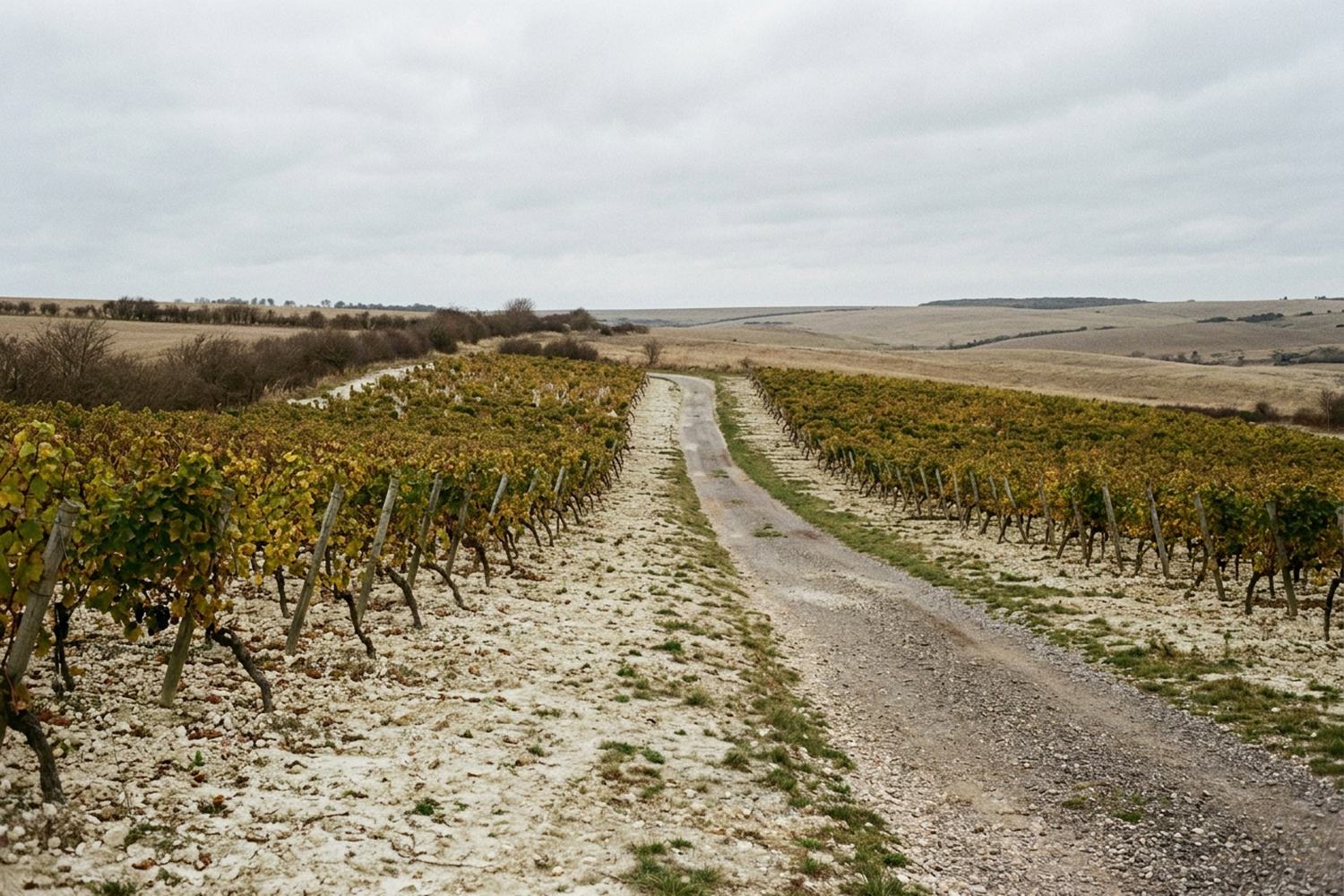 At the doorAlsace7 nights, from $2,380 per person
Tell us the step, and we will do the rest
The fastest way to start is to name the step you think you want and one date range you could actually leave on. If you have no idea which step suits you, say that instead, and say what you can carry and how you feel about a landing that weather can push a day. Read how a booking is put together first if you want the five steps in plain terms, and the questions people actually ask if your question is about what happens when a boat does not run.
A message reaches a person and is read the same working day. A written figure, with the lodging named, the transfer costed and the dates held or not held, takes two to four working days, because the companies at the other end answer on their own schedule and we would rather send you one accurate sheet than three drafts.
Nothing you send here commits you to anything. There is no deposit at this stage, no hold on a card, and no obligation once the figure arrives. If the number is wrong for you, say so and we will look at a step closer to the road or a shoulder week where the same lodge costs less. Cancellation terms belong to whichever company runs the trip, and we print the ones that apply to your figure alongside it; the general shape of them is at what cancellation costs.