unsuited: Do not book this if you want to reach the trip without a car. Two of the four villages have no rail station at all and the bus is three or four a day, so a group without a driver spends the week on the flat mile of riverside path and nothing else. It is also the wrong week for anyone who wants the vineyard paths to be the main event but does not want the grade: those slopes run to 55 degrees in places, the switchbacks are cut into slate, and there is no gentler version of them. Wheeled luggage crosses cobbles badly, and three of the buildings have a stair with no handrail on one side.
---
The steepest vineyard in Europe is nineteen miles from where you will sleep, and it pitches at about 65 degrees. That is the Calmont, above Bremm, and the marked path across its face gains roughly 950 feet in a little over half a mile on steel ladders and pinned cable. You do not have to go near it. Seven nights on this stretch of the river is one of the few weeks we sell where the hardest thing you do and the easiest thing you do sit within a twenty minute drive of each other, and you choose which one you did that morning over dinner.
We put people here on a mosel valley vacation package you can park at because the geography rewards it in a way that surprises Americans who expect Europe to mean trains. The river runs about 150 miles from Trier down to Koblenz in a set of loops so tight that the water doubles back on itself; the driving distance between two villages that face each other across a bend can be nine miles by road and 400 yards by ferry. Having the car means you can eat in one village and sleep in another, and it means the wine you buy at a grower's yard at four in the afternoon goes in the trunk instead of on your shoulder.
The apartment is yours for the week. Nobody turns the beds down and nobody asks what time you want breakfast, and the first thing most of our travelers do is drive to the supermarket in Cochem or Zell and fill the kitchen.
- Step
- The road reaches the door , At the door
- How far from the road
- Zero feet from the last road: the parking space is part of the rental, and the front door of the apartment is between fifteen and forty feet from where the car stops, depending on which village we place you in.
- What the distance costs
- The distance costs you nothing at all, and that is the whole point of this one. Surface from car to door is paved or cobbled, level or one short flight of stairs, and the four villages we use most have no step count above twelve to the ground floor apartments. You carry a bag once, twenty feet, on the day you arrive. Nothing needs to be sent ahead and nothing arrives separately. The trade is that the cost of the valley is paid later, on the slopes: the vineyard paths behind the villages climb between 400 and 900 feet in under a mile, on loose slate that moves under a boot sole, and the riverside path is dead flat for 150 miles. Closures do not strand you, because the road is the road. What does close is the river itself. High water in winter and after heavy rain shuts the locks and cancels the passenger boats, sometimes for a week, and the low riverside parking bays flood first and get taped off; the apartments we use sit above that line, but if the bay is closed the car goes to the village lot uphill, which adds a 200 to 300 foot walk. If a bridge is out for works, the ferry crossings at Beilstein and elsewhere run a schedule, and a ferry does not run in ice.
- Nights
- 7
- From
- $2,290 per person
- Shape of it
- self catering apartment, your own car
- What is in the figure
- Seven nights in a self catering apartment for two, one or two bedrooms, with kitchen and washing machine; one dedicated parking space at the building; bed linen, towels and the end clean; a written arrival sheet with door code, the exact parking bay and the nearest grocery; a printed sheet of nine vineyard paths with height gained and surface for each; local visitor tax paid in advance; two winery visits arranged by us with the growers direct
- What is not
- Flights, the rental car and its fuel, tolls and any one way drop charge; the vignette if you drive on into Switzerland or Austria; all food, drink and wine bought at the property; restaurant meals; the passenger boats on the river, which are bought at the pontoon on the day; bicycle rental, typically $16 to $22 a day; entry to castles and the Roman sites in Trier; the deposit held by the owner against damage, usually $170 to $340, returned after checkout; anything on the last night if you leave a day early; a second parking space, which some buildings simply do not have
Slate, water, and a valley with two completely different gradients
The rock here is Devonian slate, and it is the reason for everything else. It holds the day's heat and gives it back to the vines after dark, which is why Riesling ripens this far north at all, and it is also why the slopes look the way they do: gray, loose, fractured into palm sized plates that slide. The terraces are held by dry stone walls that individual families maintain, some of them a thousand years old in their foundations. Where a grower has given up, the wall bulges and the terrace goes to scrub within a decade, and you can read the economics of the valley off the hillside from the far bank.
Down at water level none of that is apparent. The riverside path from Trier to Koblenz is asphalt or fine gravel, almost entirely flat, and it is separated from the road for most of its length. You can ride thirty miles of it on a rented town bike and gain less than eighty feet. The two gradients do not blend: there is the flat, and there is the wall, and the transition between them happens over about forty yards at the back of every village.
Locks are the other constant. There are ten between Trier and the Rhine, each with a drop of fifteen to twenty feet, and the freight barges going through them are 350 feet long and carry gravel, coal and scrap. Watching one lock through takes about twenty five minutes and is the least expensive afternoon in the valley. In summer the vineyard air at four in the afternoon sits around 88 degrees on a south facing terrace and about 74 in the shade by the water, which is a real difference and worth planning your day around.
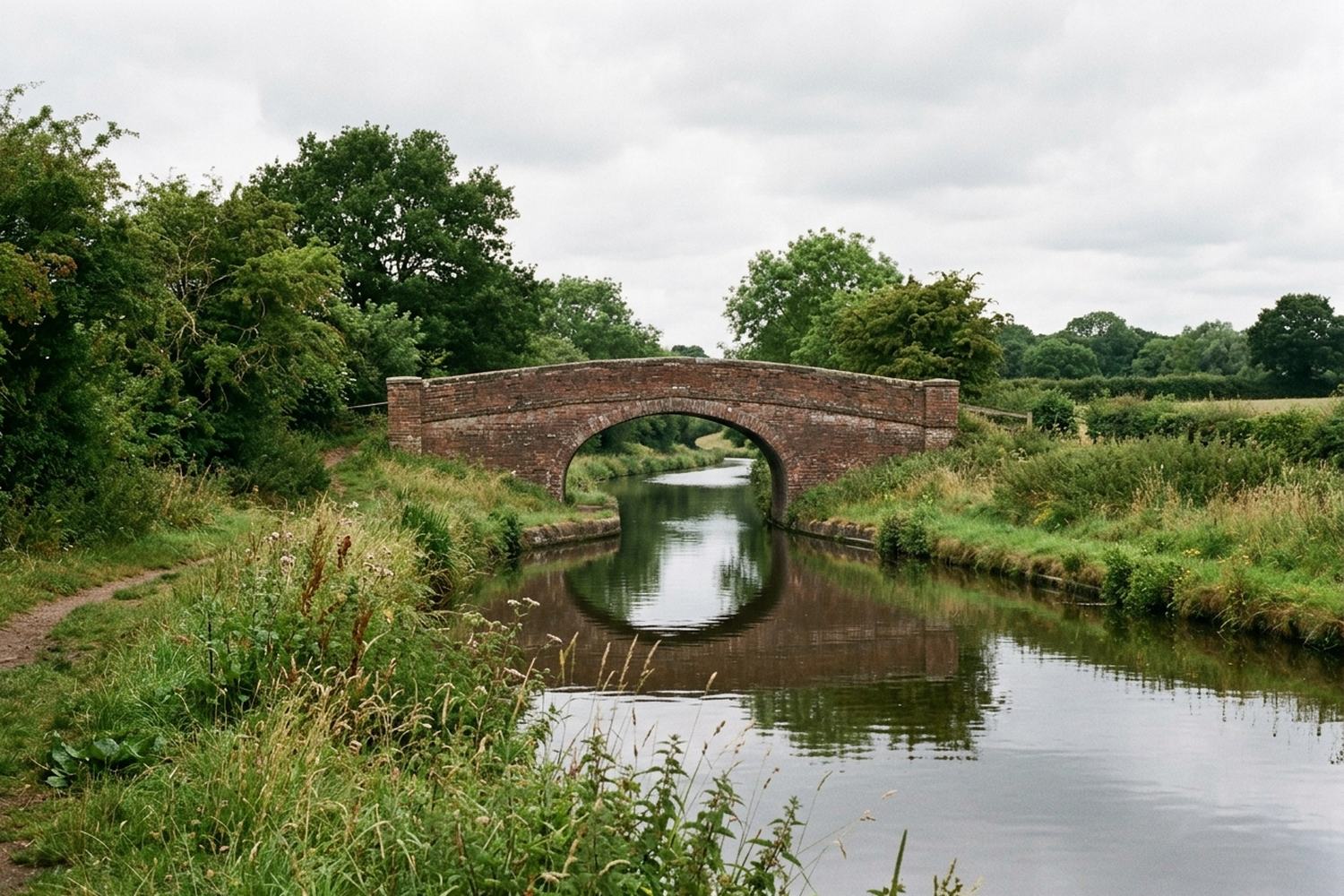
The months that work, and the two that mostly do not
Late April through late October is the honest window. Outside it the passenger boats stop running, most of the smaller family run wine yards close their tasting rooms, and high water becomes a weekly rather than an occasional event; December has a handful of good weeks around the Christmas markets in Bernkastel and Traben Trarbach, but the hillsides are wet slate and the light goes at half past four.
Harvest is the thing people underestimate. From the middle of September into the third week of October the growers are working fourteen hour days, the roads through the vineyards carry tractors and small tracked crawlers, and some paths are closed while a parcel is picked. It is the best week to be here and the worst week to expect anyone's undivided attention.
- April to mid May
- Vines breaking bud, hillsides bare and the terrace walls fully visible. Days around 60 degrees, cold evenings, boats on a reduced schedule
- Late May to June
- Flowering, everything green, long light until nearly ten at night. Best month for the vineyard paths, days 68 to 75 degrees
- July and August
- Warmest and busiest. Terraces above 85 degrees by mid afternoon, so climbing is a before ten or after six activity. Parking in Cochem and Bernkastel fills by eleven
- Mid September to late October
- Harvest. Tractors on the vineyard roads, some paths closed for picking, cellars busy. Color on the slopes, days around 62 degrees
- November to March
- Boats stopped, many tasting rooms closed, high water likely. Riverside parking bays flood first and get taped off
- Any time after heavy rain
- Slate paths shed water and turn slick, locks may close to traffic, and the ferries stop in ice
What we settle before you leave
Confirmation on this one is mostly about which village and which building, because the difference between a ground floor apartment with a bay outside the door and a second floor one with a bay across the square is the difference that will actually shape your week. We ask about the car before anything else.
- Message inYou tell us the week, the number of people, whether anyone wants a ground floor with no stair, and the size of the rental car. A message is seen before that working day ends
- Figure backWe write back inside two to four working days holding two or three specific buildings, each with the step count, the parking bay arrangement, and what the nearest vineyard path gains in feet
- You chooseWe hold the apartment with the owner, confirm the week in writing, and send the arrival sheet with door code, bay number and grocery hours
- Before you flyWe arrange the two winery visits direct with the growers and send the path sheet, plus the current state of the river and any bay closures
Tell us about the car and the stairs
Those two answers narrow it faster than anything else, and if you already know which bend of the river you want to wake up on, say so; we will tell you honestly whether there is a building on it with a space out front.